If you drive in Orangeburg long enough, you collect little stories in your glass. The pinprick divot from a gravel truck near Cope, the faint crescent crack that crawled overnight after a steamy August thunderstorm, the rattle you started hearing after that surprise cold snap. Tempered and laminated panes take a daily beating here, between farm roads, I-26 wind shear, pollen, and humidity that sneaks under weatherstripping like it has a key. When the view ahead turns hazy or fractured, choosing the right replacement is not just about clear sightlines, it is about safety, heat control, and what makes sense for the way you use your car.
What follows comes from years spent in and around Orangeburg auto glass, crawling into driveways for mobile service, re-seating stubborn trim on older Fords, and testing tints in full Carolina sun. If your search led you here from a question about car window replacement Orangeburg or windshield crack repair Orangeburg, consider this a local’s guide with straight talk about tempered, laminated, and tinted options, plus a few trade-offs I have watched play out in real driveways and shop bays.
What breaks, and why that matters
Glass fails in patterns, and those patterns tell you what you need next. Front windshields are almost always laminated glass, two layers of glass with a vinyl layer in the middle. They chip and crack, but they rarely shatter, even with a long split. Side and rear windows are typically tempered glass, heat-treated to fracture into small cube-shaped pieces. When tempered goes, it goes all at once, sometimes from a tiny impact at the edge, sometimes from a pressure change after a door slam with the window slightly down. That difference drives everything about replacement timing and what options you have.
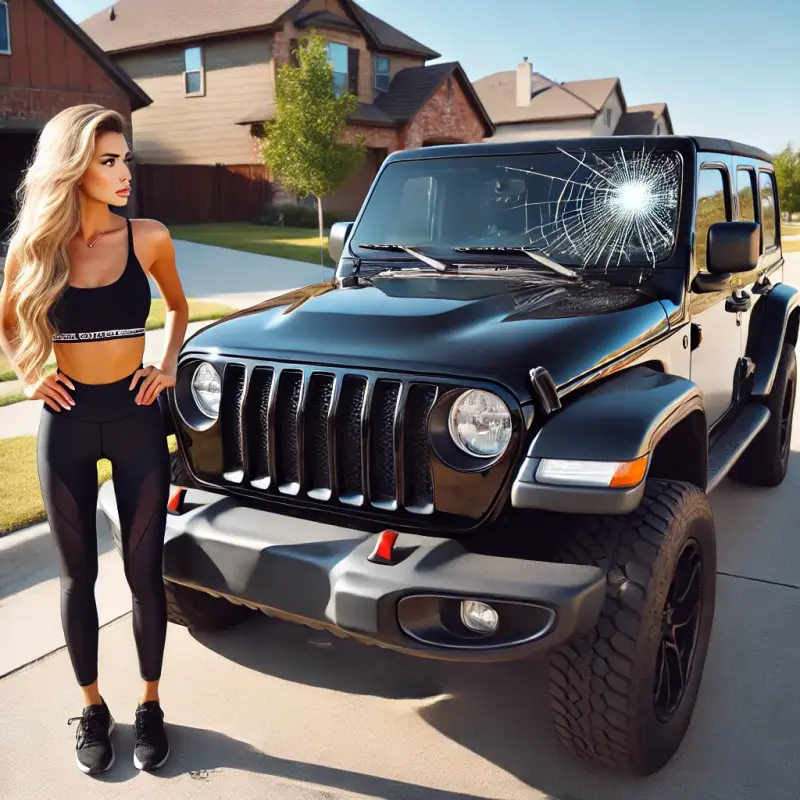
A small star or bullseye chip in laminated glass can often be stabilized. I have seen a clean resin repair on a quarter-inch chip last the life of a car. The same chip left to roast on a hot hood in July can creep into a twelve-inch crack between lunch and the afternoon commute. This is why windshield crack repair Orangeburg has a time element. Temperature swings and humidity turn small problems into big ones.
Tempered side glass does not get that luxury. Once it breaks, you are dealing with a pile of beads and an open cabin. When I get a call for car window replacement Orangeburg after a break-in at the Orangeburg-Calhoun Tech lot or a lawn mower tossed a pebble, safety and weather are the first concerns. A quick vacuum of the door shell, a temporary film to keep rain out if needed, then a new pane matched to tint and hardware. No resin, no patch. Some folks try to sit with a taped trash bag for a week. In our climate, that is a mildew invitation and a security risk.
Laminated vs tempered where they belong
Front windshields must be laminated. Federal standards require that, because the windshield is integral to airbag deployment and roof strength. Side and rear windows are usually tempered for a reason. Tempered breaks into dull pieces that reduce injury in crashes, sheds quickly in an emergency exit, and costs less to manufacture in complex shapes. On certain models, usually higher-end sedans or noise-focused trims, you may find laminated front side windows. Those bring better acoustic comfort and better break-in resistance, but cost more and weigh more. For most drivers around Orangeburg, tempered side glass remains the practical choice.
I have replaced a handful of laminated front side panes on owners who commute to Columbia daily and wanted a quieter cabin. The change is real, typically a few decibels less wind rush at 70 mph, and slightly better heat rejection if you pair it with a quality tint. The downside is cost, sometimes two to three times a tempered pane, and slower delivery if the part is not stocked in regional warehouses. With our frequent afternoon thunderstorms, waiting a week for a specific laminated pane can be a headache if your old glass failed completely.
The rear window brings another puzzle. It often carries defroster lines and the antenna grid. Tempered is standard, and it works well until a stray box corner or a falling pine cone finds the right spot. Replacing a rear tempered window means paying attention to those lines. Cheap installations sometimes come back with weak radio reception or patchy defrost. The cure is slow and fussy: careful transfer of connectors, clean solder points, and testing before the new panel’s adhesive sets.
The tint question under South Carolina sun
Tint is not just a look. Here, it is a sanity tool. Midday heat pushes cabin temperatures far beyond comfort within minutes, and untinted side glass becomes a magnifying lens for the left arm you use to steer. The law sets limits that you need to respect. South Carolina’s rules set minimum visible light transmission levels and restrict reflectivity. Most Orangeburg shops that handle auto glass repair Orangeburg know the numbers by heart and carry films with certified labels that inspectors recognize. The gist, without rewriting code, is that you can tint your side and rear windows fairly dark if you choose a compliant film, while the windshield is limited to a narrow band at the top plus clear UV or heat-rejecting films for the rest.
From a practical standpoint, the most useful tint upgrades I have seen are ceramic or carbon films on side windows. The price premium over dyed film buys you meaningful heat rejection and less color fade. Owners often ask if they should tint before or after a replacement. If the window is already being replaced, tinting that pane while it is on the bench, then installing, produces a cleaner edge. For windshield replacement Orangeburg, if you choose a clear, infrared-rejecting film for the main viewing area, it goes on after the windshield crack repair orangeburg urethane cures. Plan for a 24 to 48 hour window before film application to avoid trapping moisture along the edges.
A word about mirror-like films. Highly reflective films can run afoul of the reflectivity limit and can also mess with camera-based systems that depend on consistent light conditions. They also cause headaches for other drivers at dusk. I have peeled more than one aftermarket mirror film from side glass because it threatened both legality and safety.
Sensors, cameras, and the ADAS reality
A decade ago, replacing a windshield meant a cut-out, primer, urethane, and a clean reinstall. Now, many cars arrive with forward-facing cameras, lane-departure modules, rain sensors, and HUD projectors glued or bracketed to the windshield. When you seek windshield replacement Orangeburg for a modern car, you are also buying an ADAS calibration. The cost bump makes people grumble until they watch a lane-keep system misread the road. Calibration comes in two flavors: static, with targets placed at measured distances, and dynamic, completed on a specific road route at a set speed.
I keep a running log of calibration routes around Orangeburg that meet the criteria for dynamic runs, like a stretch of US-301 with clear lane markings and minimal shadows near midday. If your schedule is tight, a shop that can do static calibration on-site saves a second appointment. The key is honesty from your installer. If the car’s systems require calibration and the shop cannot perform it, they should tell you up front. It is worth asking, before you book, whether your specific make and model requires recalibration and how they handle it.
Ceramic tint over the windshield’s camera area deserves attention. Most installers cut a clean window around the sensor, or use film certified for sensor compatibility. If your night lane assist seems confused after a tint, return and have that section reworked.
Cost, timing, and the Orangeburg realities
Pricing moves with glass availability, whether you pick OEM or aftermarket, and the labor required for calibrations or trim. On common sedans and SUVs, side tempered glass often sits in the 150 to 300 dollar range installed, more for laminates or complex frameless setups. A basic windshield on a mid-2000s pickup might land around 250 to 400 installed, while a late-model crossover with rain sensor, camera, and acoustic lamination can jump to 700 to 1,300 including calibration. Rear tempered windows with defrost vary widely based on size and embedded antennas.
Mobile auto glass repair Orangeburg is worth considering. The heat and pollen here make driveway service convenient, but weather matters. Urethane cures based on temperature and humidity. Most high-modulus urethanes have safe drive-away times that range from one to four hours. In a sticky July drizzle, expect the longer end. A reputable crew checks dew points and avoids open-air installs when a storm is inbound. I once rescheduled three mobile jobs in a single afternoon after a squall line rolled over Edisto Memorial Gardens. No one wants a compromised bond line because the sky rushed us.
OEM versus aftermarket is not a moral issue. Good aftermarket glass from recognized manufacturers fits and performs well, especially on older models where the risk of camera trouble is nil. On newer cars with sensitive ADAS, OEM glass or aftermarkets with exact sensor bracket positioning reduces headaches. The surface waviness and acoustic interlayers can differ between brands. If you are picky about visual distortion near the edges, mention it and ask what brand is being installed. I keep a polarization card in my kit to check for stress patterns and waviness after install. Most owners never notice, but photographers and long-distance commuters sometimes do.
Tempered options and why not all tempered is equal
Tempered glass is tempered by heat and rapid cooling, which creates compressive strength at the surface and tension inside. The strength gain depends on process control. In budget panels, you may see more roller wave, slight optical distortion that shows up as wavy lines when viewed against a straight horizon. In frameless doors, roller wave is especially annoying because your eye catches it every time you check your mirror.
Edge finishing matters too. A rough edge becomes a crack initiation point if the window guide is misaligned. I have pulled door panels off a coupe with chronic window shatter, only to find a burr on the regulator track. The fix was a smooth replacement pane plus a track adjustment, not just new glass. If you keep replacing side windows without asking why it broke, you may be funding a loop.
Tinted tempered glass can be either dyed through the film adhered inside or made from privacy glass that is tinted in the glass itself. Factory privacy glass is common on SUVs and trucks for the rear doors and cargo area. It blocks visible light but does very little for heat. That surprises people. If you want real heat rejection, a ceramic film on top of factory privacy glass makes a dramatic difference. The risk is stacking too-dark combinations that breach legal limits, so ask the installer to meter the total visible light transmission after application.
When a repair beats a replacement
A clean chip repair on a laminated windshield is both a time saver and good stewardship. If the impact point is small, not directly in the driver’s primary viewing area, and not accompanied by cracks longer than a few inches, a resin injection forces air out and bonds the layers. The trick is clean, dry work. Moisture trapped in a chip makes resin cloudy. On humid days, I warm the glass just enough to drive off water before placing the bridge. The finished repair is not invisible, but in the right hands it is smaller than a pea and stable.
Where repair fails is along the edge, within a couple inches of the frame, where stresses rise, or when the inner vinyl layer has gone milky from prolonged exposure. If your laminate shows that milky haze, replacement is the honest answer. I have turned down repair jobs when I know the fix would just be a pause before a crack runs to the perimeter.
A quiet word on insurance and claims
Many Orangeburg drivers carry comprehensive coverage that includes glass. Policies vary, but it is common for chip repairs to be covered at no out-of-pocket cost and replacements to carry a deductible. If your deductible is 500 and the job is 350, paying cash avoids the claim. If your deductible is 100 and your windshield costs 900 due to calibration, use your coverage. Insurers also approve mobile auto glass repair Orangeburg in most cases, so do not assume you must sit in a waiting room. Call your provider and ask about preferred networks, but do not be bullied into a shop you do not trust. In South Carolina, you have the right to choose your glass provider.
One caution: if your policy offers a “non-OEM glass” clause, it can push you toward certain aftermarket brands. If you insist on OEM, be ready to pay the difference unless your car manufacturer requires it for specific safety systems. I have seen some brands loosen their stances and certify certain aftermarket panes, which helps.
How to judge a good install without crawling under the dash
You do not need a technician’s eye to check quality. A few practical checks will tell you whether your glass was handled with care and whether you will be chasing whistling or leaks later.
- Look at the glass alignment against the body lines. Gaps should match on both sides, seals should sit flush, and mirror mounts should be at the same angle as before. Spray a fine mist around the perimeter after the safe drive-away time and check for bubbling or damp smells inside. Run a finger along the inside trim and A-pillars. They should be fully clipped, not loose or wavy. Ask to see primer marks or notes on pinch weld preparation. Clean, rust-free metal is essential before urethane. If you have ADAS, request a calibration report or at least a documented procedure. Take a short drive and test lane-keep, adaptive cruise, and auto high-beam on a known route.
Most shops welcome these questions because it shows you care and will notice the difference between rushed and right.
The mobile advantage, and where a shop bay still wins
Mobile service is a blessing here. You can park under a carport in Brookdale, work from your dining room, and have a new windshield by lunch. A good mobile crew carries battery-powered extractors, glass racks, and tents to shield from light rain or pollen. The constraints are real. Adhesives need temperature and time, and windblown debris can ruin a bond line. I keep lint-free towels over exposed pinch welds, and I re-clean any edge I see a fleck land on. When the weather turns difficult, a controlled shop bay still wins.
Large SUVs with panoramic glass, vehicles needing static ADAS calibration with dedicated targets, and classics with delicate trim often do better in-shop. I remember a 1980s Buick with stainless trim that wanted three hands and a gentle bend to seat correctly. The owner watched the whole process from a chair with coffee, and we both agreed it was not a driveway job.
Local quirks: pollen, gravel, and old weatherstripping
Orangeburg has pollen seasons that turn every surface yellow. Pollen grains act like tiny ball bearings if they land on a urethane bead. This is why I baby the work area and wipe down seals before setting a windshield. For side glass, pollen blends with old silicone to create a gritty film that scratches new panes when the window actuates. If you are replacing a side window, ask for a channel and belt molding cleaning, or replacement if the felt is worn to the backing. Ten extra minutes there can add years to the glass.
Gravel roads and construction zones produce the classic rock chip. If you follow dump trucks near 301 or hop onto I-26 behind a flatbed, build a little extra following distance. It is not paranoia, just probability. Once you do get a chip, park in the shade, cover it with a small piece of clear tape to keep moisture out, and schedule a repair. I have treated chips the same day and others a month later. Earlier almost always yields a better cosmetic result.
Older vehicles in town, especially those that have spent years in the sun, suffer from hardened weatherstripping. When a new windshield goes in against a baked, shrunken gasket, wind noise follows. A fair estimate includes seals when needed. I would rather be the person who replaces a brittle cowl clip and a cracked grommet than the person you call back twice for a whistle at 55 mph.
Matching options to your vehicle and your habits
Not every upgrade fits every driver. The daily commuter in a 2017 Camry with lane assist benefits from high-quality aftermarket laminated glass with proper camera calibration and a ceramic tint. The weekend farm truck that sees rough roads and little highway time may not need an acoustic windshield at all, but does need tough, properly aligned tempered side glass because doors take a beating and slams are common. A family SUV with factory privacy glass on the rear benefits from adding a heat-rejecting film to the front side windows, matched to legal limits, to even out the cabin temperature for kids and pets.
If you drive pre-dawn or late at night, be cautious with dark tints that reduce contrast. Heat control can come from better film technology rather than lower visible light transmission. If you tow or carry loads that change rear ride height, check head-up display alignment and mirror the glass choice to what the projection unit expects. HUD-friendly windshields exist, and while they cost more, they prevent double images or ghosting.
When to call, and what to ask
When you ring a provider for auto glass repair Orangeburg, come with details. Bring your VIN if you can, because it tells the parts catalog whether your windshield needs acoustic lamination, a rain sensor mount, or a special bracket. Describe the damage size and location. Admit any add-ons like dashcam mounts or aftermarket tint. Ask about mobile availability, calibration capability, and the brands of glass they prefer. If the estimate sounds too low for a sensor-laden windshield, ask what is included.
Shops that care will ask you questions in return. They will want to know where the car will sit for cure time, whether you have covered parking, and if the weather looks acceptable. They will walk you through safe drive-away times and care for the first 24 hours, like keeping doors closed gently and avoiding car washes.
I have learned to appreciate the customers who ask for a quick primer on urethane cure without rolling their eyes. Those same people call back years later for a different vehicle and bring coffee while I work. That is Orangeburg for you, practical and neighborly.
A quick decision guide for the crossroads moments
- Small chip on windshield, dry and away from edges: repair today before heat expands it. Expect a faint blemish and a stable result. Long crack or line in driver’s primary viewing area: replacement with quality laminated glass and, if equipped, ADAS calibration. Consider heat-rejecting clear film after cure. Side window smashed: tempered replacement, channel cleaning, and match tint level to remaining glass. If factory privacy on rears, choose ceramic film for heat on fronts. Rear window with defrost broken: tempered replacement, test defrost and antenna continuity before final sign-off. You want quieter: explore laminated side glass on applicable models and acoustic windshield options. Budget extra for delivery and calibration if sensors are present.
The bottom line for Orangeburg drivers
Glass work is part science, part craft, and part weather forecast. If you take anything from this, let it be that smart choices early, like quick windshield crack repair Orangeburg for chips before they creep, save money and frustration. When replacement is the only route, match the glass type to your needs, respect tint laws while squeezing the most out of modern films, and do not skip calibration on vehicles that require it.
The right installer treats your car as a system. They vacuum the door shell to the bottom, not just the carpet. They meter your tint so the trooper’s light meter will be boring. They set urethane with steady hands, then let time and chemistry do what they do. Whether you meet them at a shop or they roll up your driveway for mobile auto glass repair Orangeburg, you deserve clear sightlines, a quiet cabin, and glass that holds up to our heat, our storms, and our gravel.
When you see the road ahead through fresh, properly fitted glass, you feel it. The world looks crisp again, the wipers sweep clean arcs, and the cabin cools faster under July sun. That is not just a cosmetic win. It is safety, comfort, and a small daily pleasure that pays you back every mile.